


“Real” workplace mental health
Real workplace mental health initiatives are STRUCTURAL, not fluffy, feel-good bandaids.

Summertime blues (the less common SAD)
A minority of people with seasonal mood changes have summertime depression rather than wintertime. If you struggle in the summers, this article is for you.

Good clinical decision-making
Techniques can vary between practitioners but there are some universal truths about what makes good therapy. Good therapy has to be done using the scientific method.

Empathic management (It’s not just for the employees).
Stress management at work isn’t just about being nice. It’s about helping people harness their best energy and work towards a common goal. Here’s why being a jerk doesn’t pay off in the long fun…

How do I deal with a difficult coworker?
Each situation is different but there are some universal truths about coping with difficult coworkers.

Harnessing motivation
Everyone motivates differently. How can you learn what works for you and do it more often?

Do you “analyze” everyone you meet?
Do we have a clinical theory about everyone we meet? Am I analyzing you in public? No… but I will go to great lengths to meet your dog…
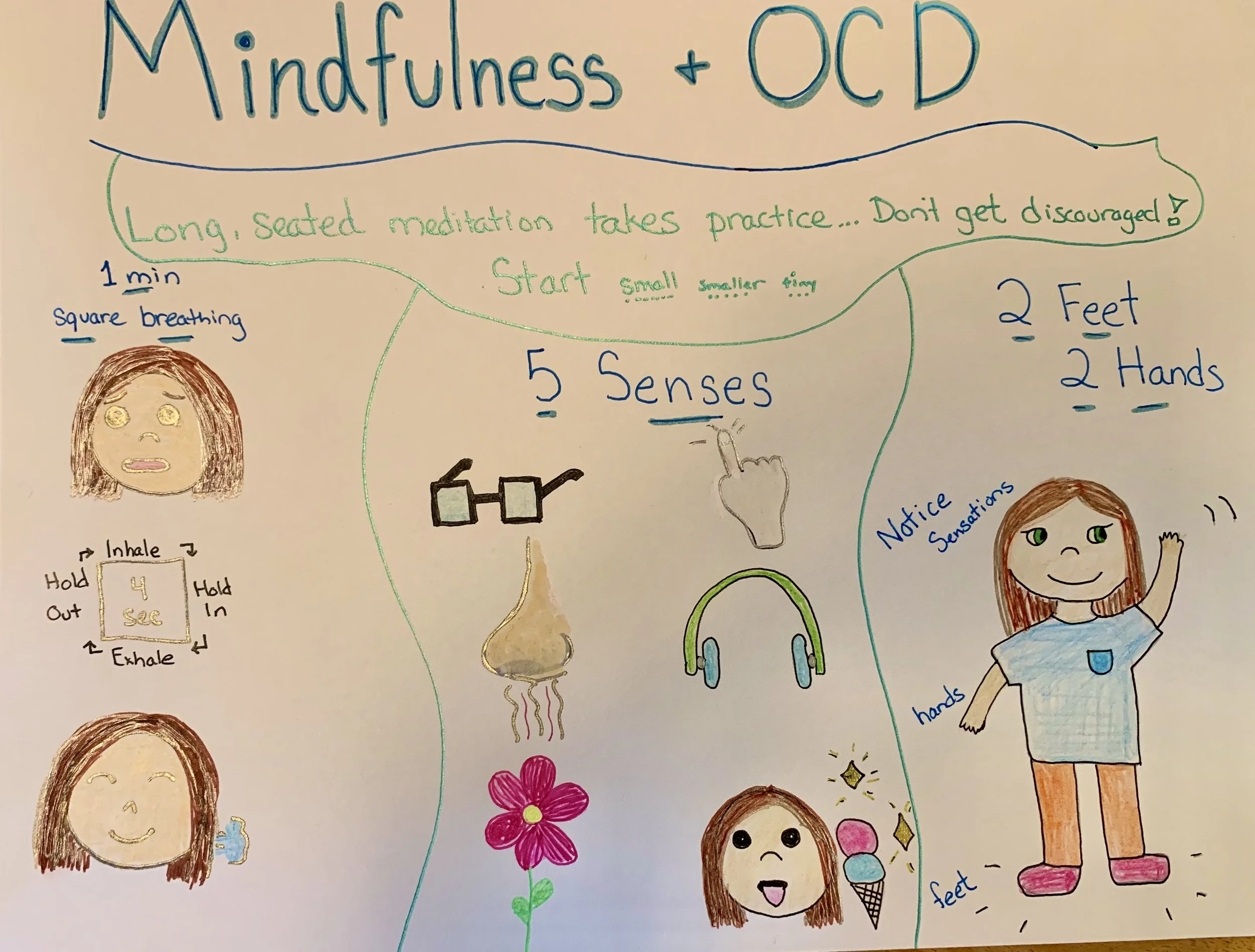
What do mindfulness and values have to do with anxiety?
Are mindfulness and values-clarification new age magical thinking or do they have any evidence?

Why won’t my therapist just tell me what to do?
Sometimes I will give advice but I usually avoid it because it backfires. Why?

What if I need a therapist for me, my family, my kids, and my relationship?
Why can’t my couples therapist treat each of us as individuals too? My doctor sees my whole family. Why not you?

Can I connect with my therapist on social media?
Therapists really avoid connecting with clients outside of the formal therapy session and especially on social media. Why is that, when the relationship between client and therapist is one of the most important contributors to positive change?