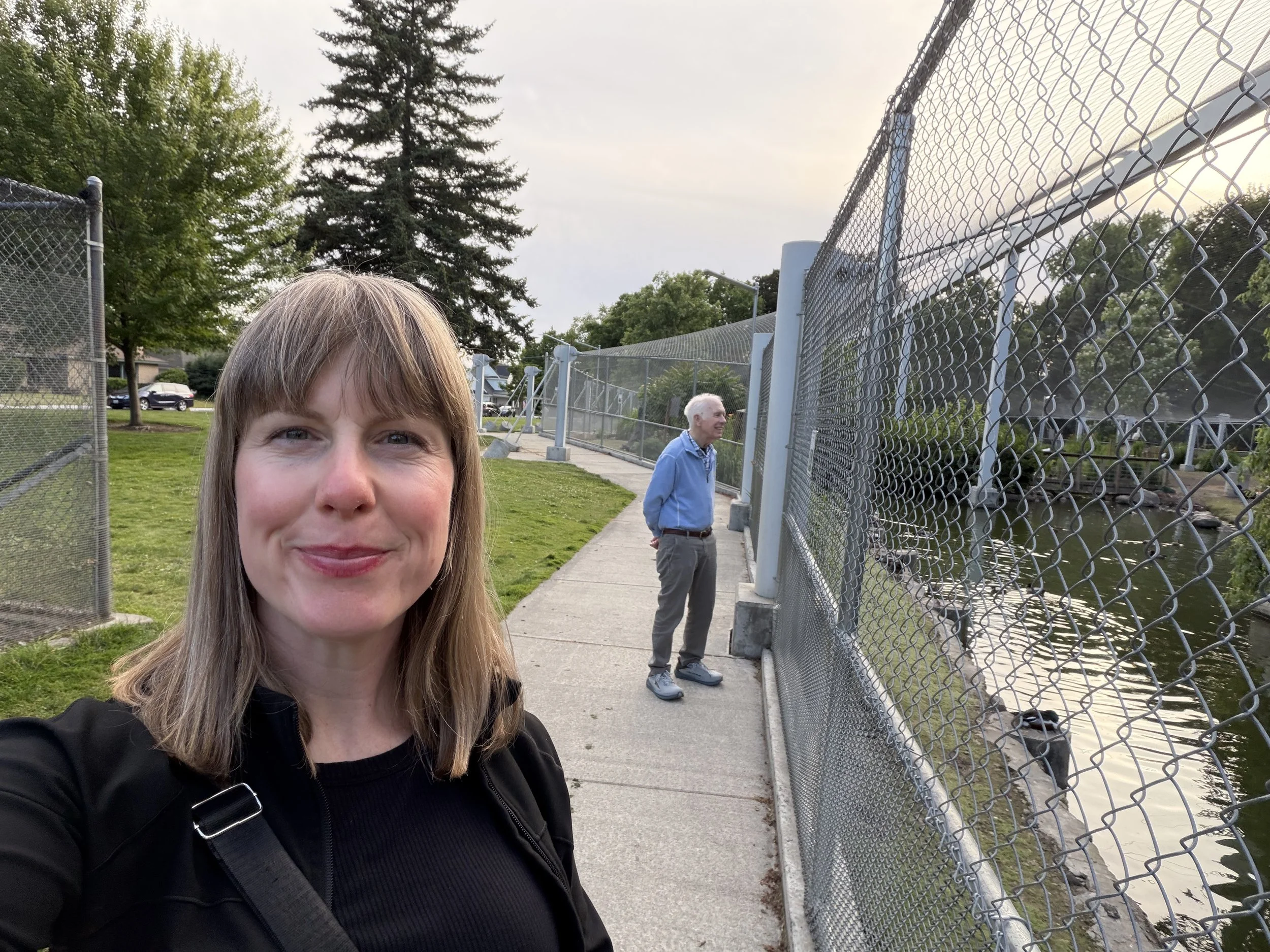
Evidence-based therapy that’s not boring

Therapy is hard. Let’s try to have fun.
Living with OCD, ADHD, skin picking, hair pulling, tics, and related experiences is hard. Unfortunately, the therapies with good evidence behind them aren’t a walk in the park either. My goal is to help you find a tolerable (and hopefully fun) way to get through these interventions so you can live a fuller life.
I teach my clients how to manage their challenges with self-compassion, respect for their unique strengths, and the right amount of playfulness to facilitate learning.
Let’s do some serious work but not take ourselves too seriously while doing it.
Services
Before I trained to be a therapist, I was a management consultant in the tech industry. While my clinical specialization is OCD and neurodivergence, lots of folks seek me out for my complimentary skills in workplace communication and organizational behavior. I most commonly work with individuals and organizations in technology and healthcare. 
Clinical Services
I work directly with adults and older teens to help them live better with OCD, neurodivergence, and related experiences. I also work with the families of kids and adults who might benefit from SPACE therapy. I am licensed in Oregon and Washington for these services.

Consulting & Training
I offer consulting, supervision, and training to other professionals interested in better supporting folks with OCD and neurodivergence. I also work with employers, helping them better accommodate their employees with these experiences.
A little about me…
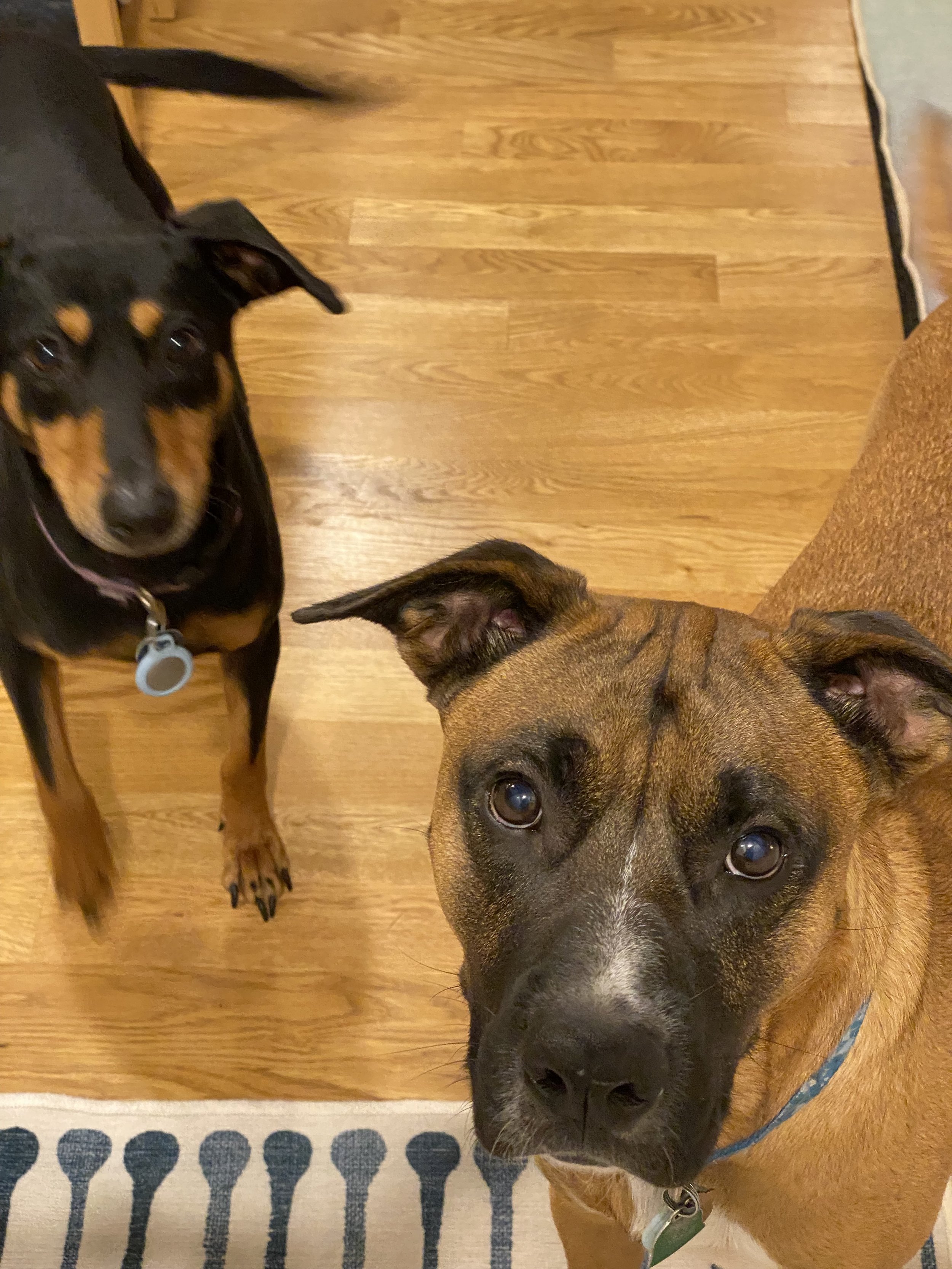
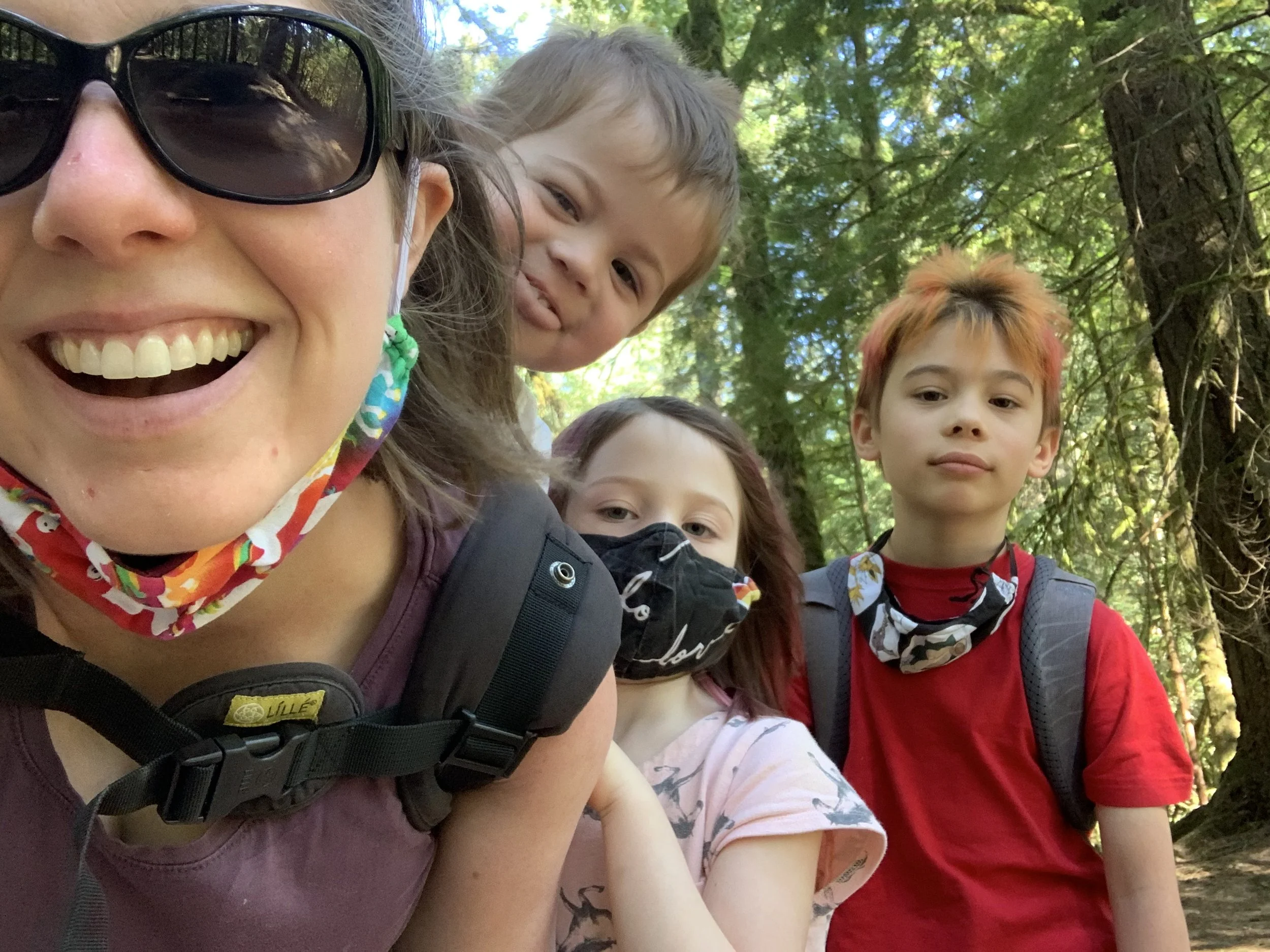
I’m a mom to three kids, two dogs, six chickens, three tropical birds, and a few thousand bees, just north of Portland, Oregon. Licensed in Oregon and Washington, USA, I specialize in OCD, ADHD, Autism, and related experiences.
I worked in technology management consulting before I trained as a therapist. That can be a handy fact to know if you’re confused by my LinkedIn profile. This is also why folks are sometimes referred to me for career counseling, which I also love to do.
In addition to treating my own clients, I enjoy helping other professionals learn more about the often-misunderstood conditions that I specialize in. I conduct trainings and offer consulting and supervision too.
I’m most proud of my work with clients for whom other therapies have “failed.” As a neurodivergent person myself, I can sometimes explain things in a new way that seems to resonate.
And to ensure I balance that with some good-ole self-deprecating humor, I’m pretty awful at treating “regular” anxiety and depression. Bring me the hard stuff and I usually do well. :)


Classes for everybody

Under construction
My confession to you is that for years, I’ve been VERY slowly working on creating some online courses on topics that have been helpful to my clinical, professional, and supervisee clients and the general public.
I’m very good at creating things and then shelving them. In 2024, I’m working on posting a few things here.
I’d be thrilled to send you an email when I ACTUALLY release something.
Effective therapy must be grounded in good science and customized to each client. Client and therapist must be a team in diagnosis, conceptualization, and making treatment work in the client’s real world.
Behind the scenes
Check out my blog on the building blocks of mental health.